Felix Platter — Origins of the Herbarium
Felix Platter (1536–1614), a leading Basel physician and naturalist of the late Renaissance, assembled one of the earliest systematic herbaria in Europe. His collection, today preserved in the Burgerbibliothek Bern, consists of eight parchment‑bound volumes of pressed plants and one richly illustrated volume showing how dried specimens were combined with botanical images. Together they form what is regarded as the oldest surviving scientific plant collection in Switzerland and one of the oldest herbaria in the world.
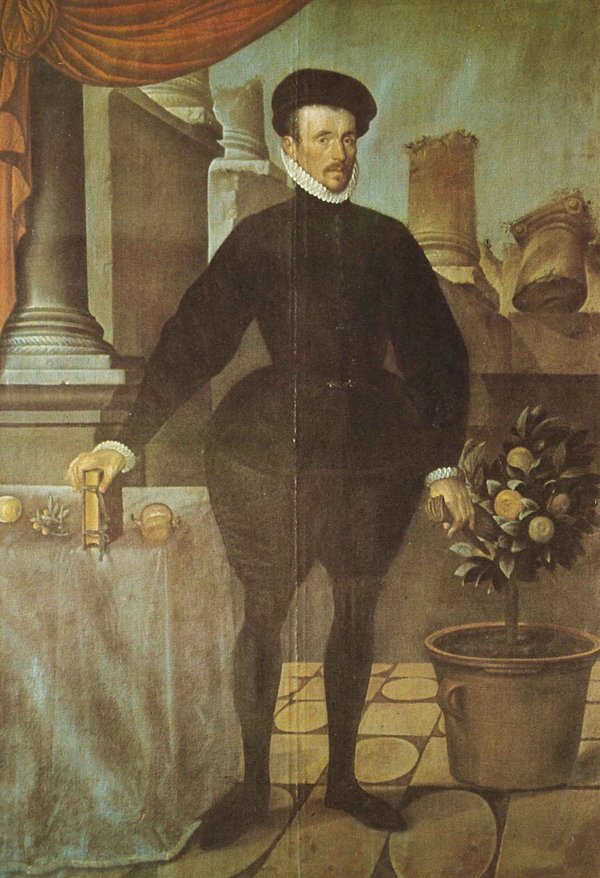
Portrait of Felix Platter (1536–1614) [2]↓
Platter’s Herbarium marks a key moment in the development of botanical documentation. Instead of relying solely on verbal descriptions or scattered woodcuts, he fixed actual plants between the pages, preserving their morphology, size, and often even colours and surface textures over four centuries. Each specimen was carefully arranged on the sheet, sometimes with cut‑and‑folded branches, so that different parts of the plant — leaves, flowers, and fruits — remained visible even after drying. This method allowed future users to compare the “real” plant with the image beside it, an early form of controlled, repeatable botanical evidence.
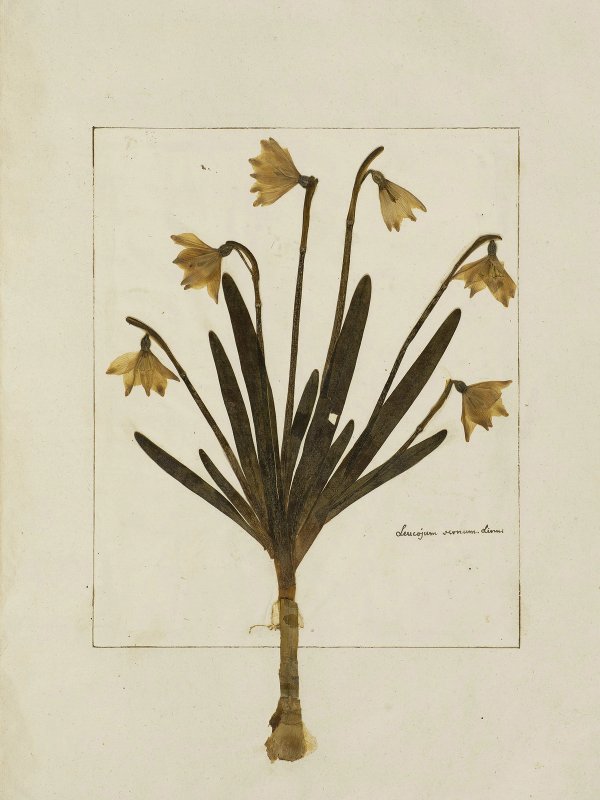
Leucojum vernum
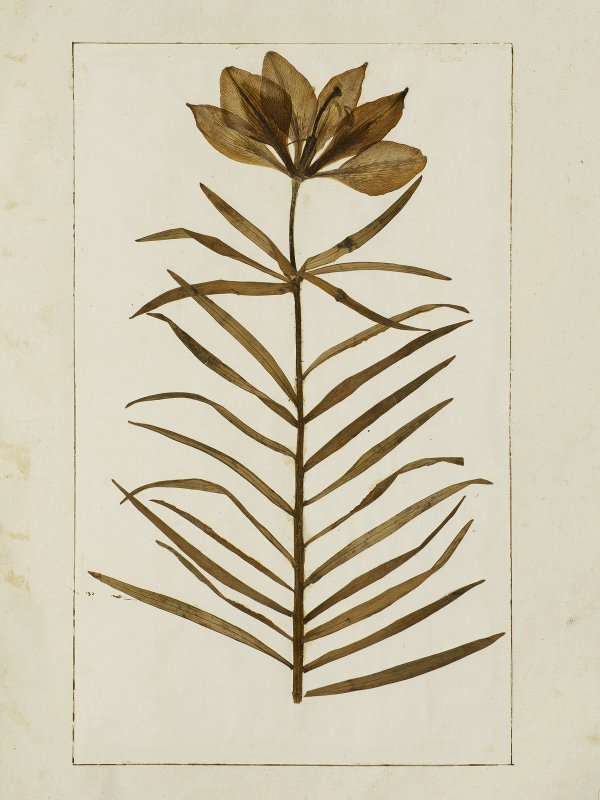
Lilium purpurnu
Alongside the preserved specimens Platter collected and inserted a wide range of botanical images. These include woodcuts from printed herbals of the time, as well as hand‑drawn and painted illustrations, among them coloured drawings and watercolours by artists such as Hans Weiditz the Younger. In many of the volumes, he placed a drawn or printed image of the same species opposite the pressed plant, so that the visual and physical records could be studied side by side. Some of these drawings were not merely decorative but served as working studies based on direct observation in gardens and the field, correcting older, often inaccurate depictions of plants.
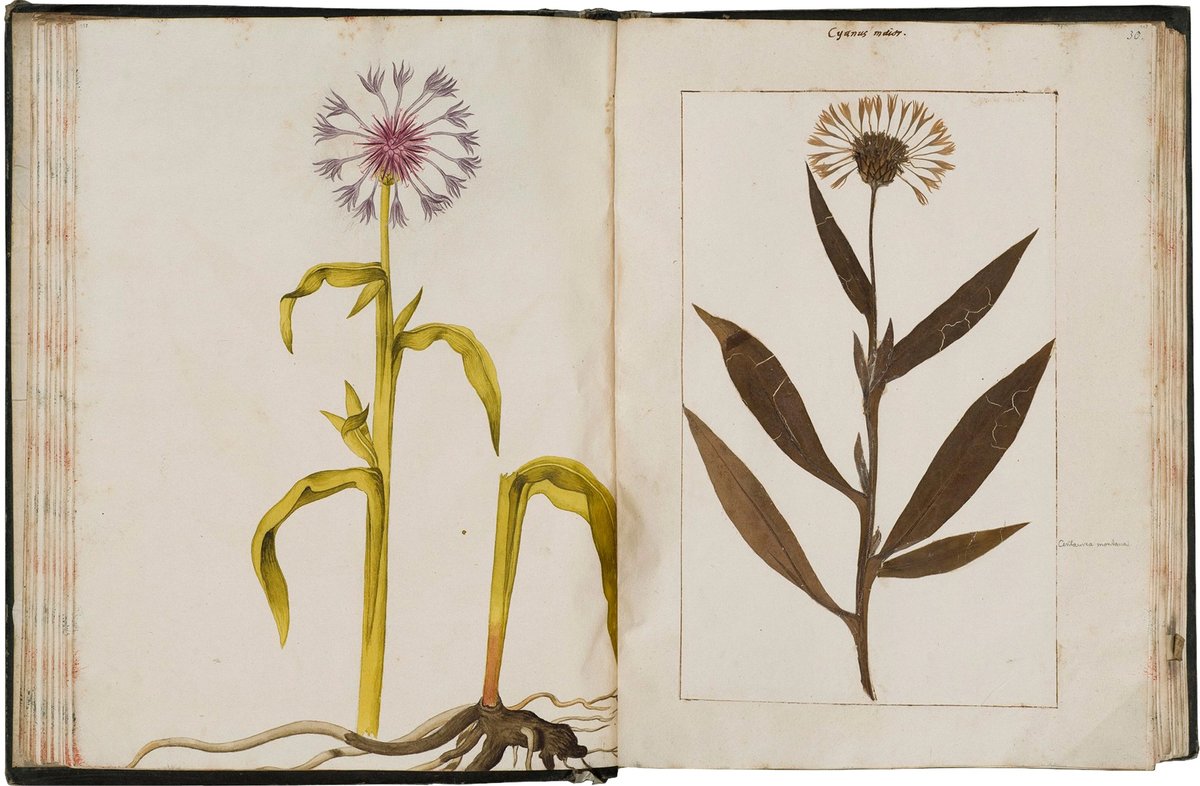
Cyanus maior
In the longer history of botanical imaging, the Platter Herbarium is significant because it bridges the material and the visual. By binding herbarium sheets with illustrations, Platter created a hybrid archive that combined empirical specimen‑based knowledge with carefully observed plant imagery. This approach anticipated later practices in botanical science — including modern herbaria that integrate photography and digital imaging — by showing how visual documentation can extend and clarify the record provided by the dried plant itself. For a project on botanical imaging, the Platter Herbarium serves as an early model of how textual description, physical specimen, and image can work together as a coherent system of documentation.
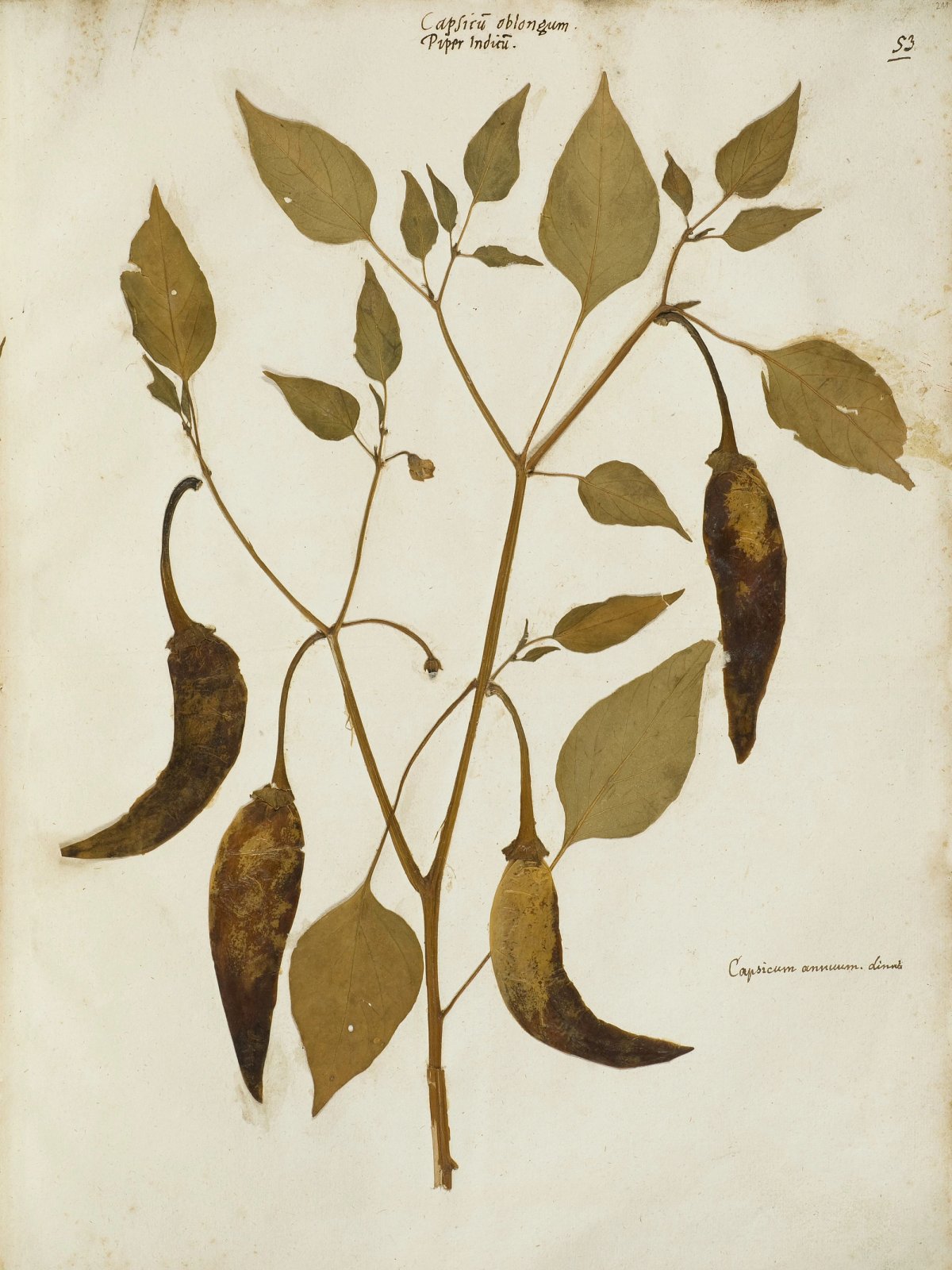
Capiscu oblonzum
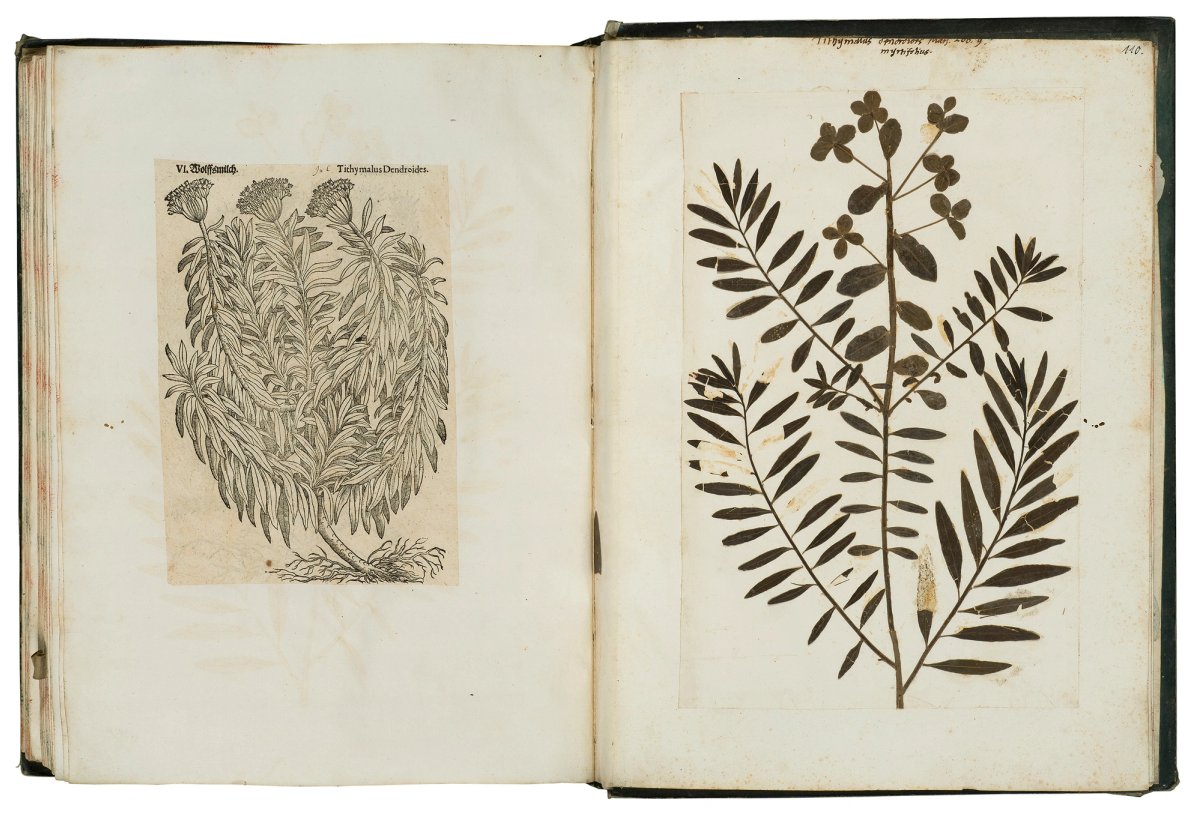
Wolfsmilch