Calotype printing is a negative–positive photographic process invented by British scientist William Henry Fox Talbot in the early 1840s, as he sought a practical way to fix images drawn by light after frustrations with drawing landscapes by hand. He coated writing paper with silver iodide, sensitized it with a gallo‑nitrate solution, and exposed it in a camera obscura; the resulting latent image was developed in a gallic acid bath, yielding a translucent paper negative that could then be contact‑printed onto salted paper to produce multiple positive prints.
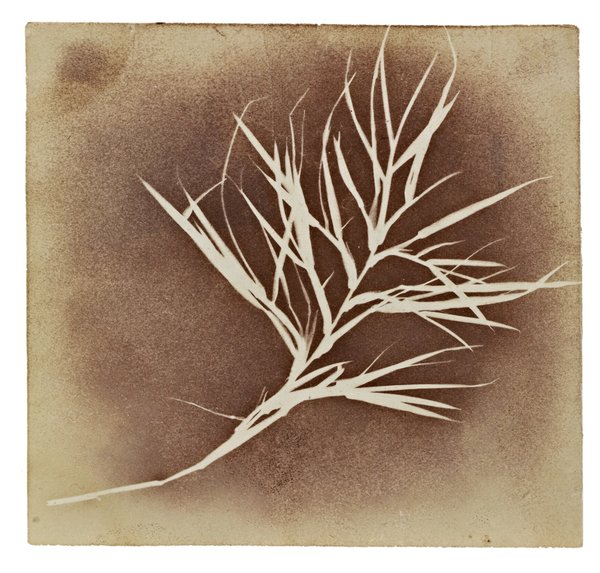
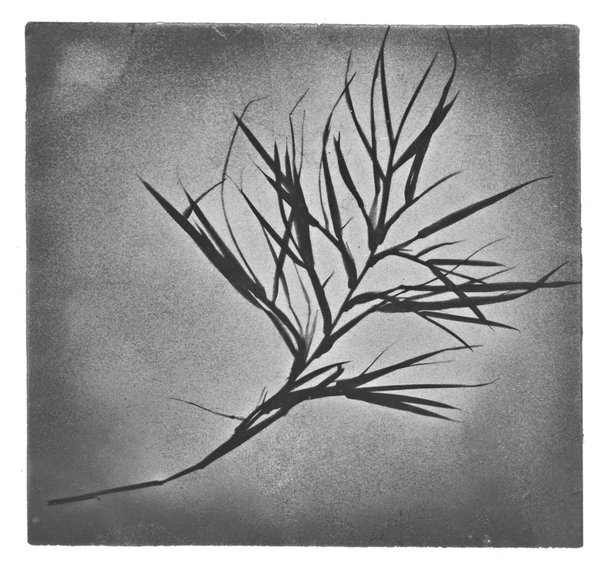
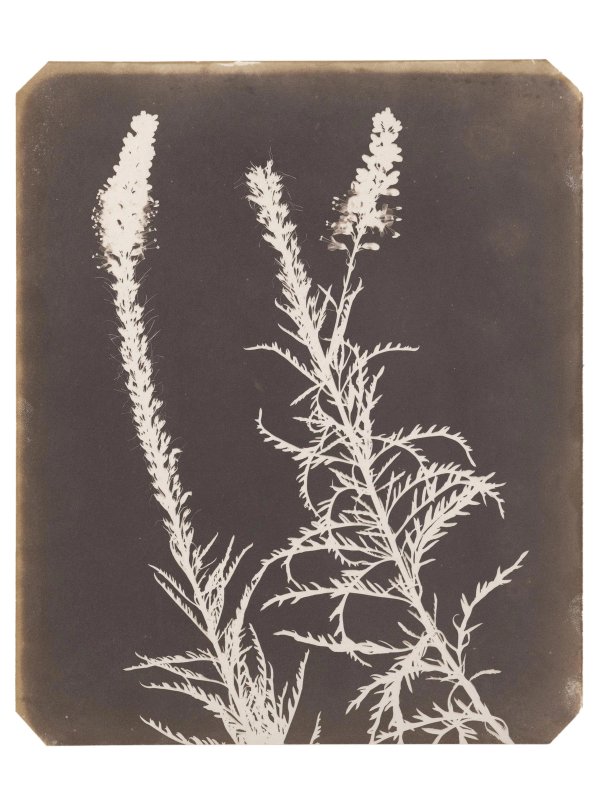
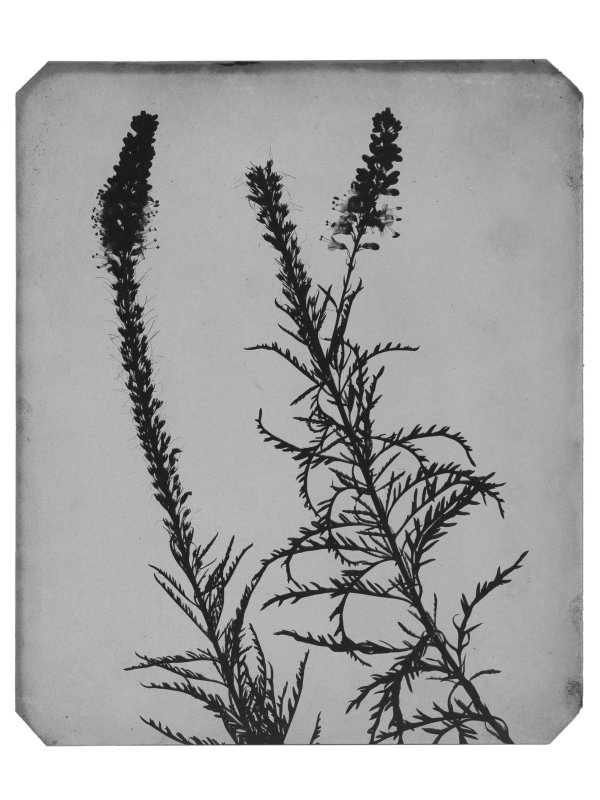
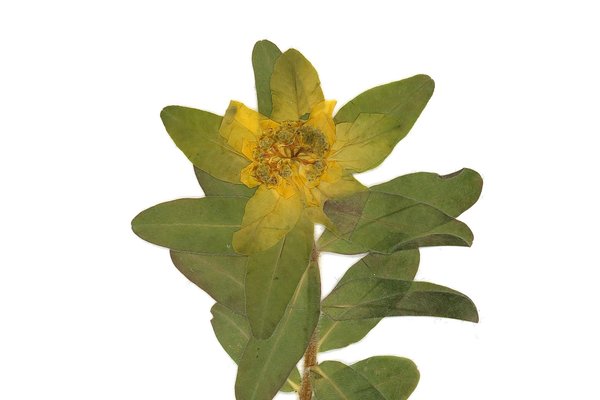
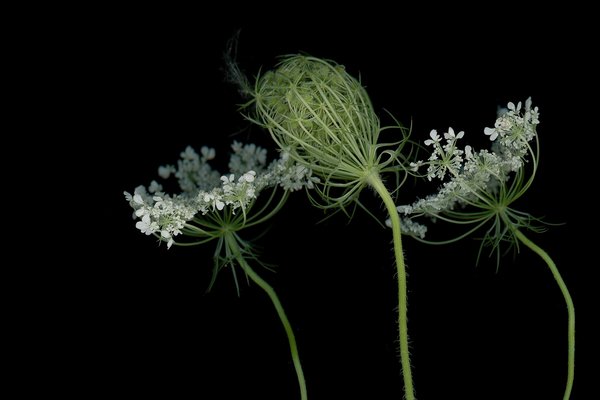
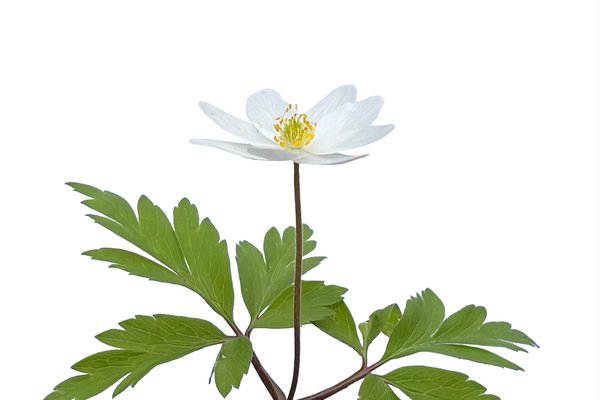
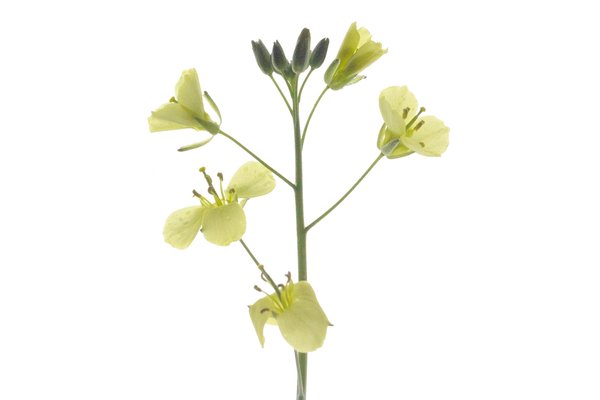
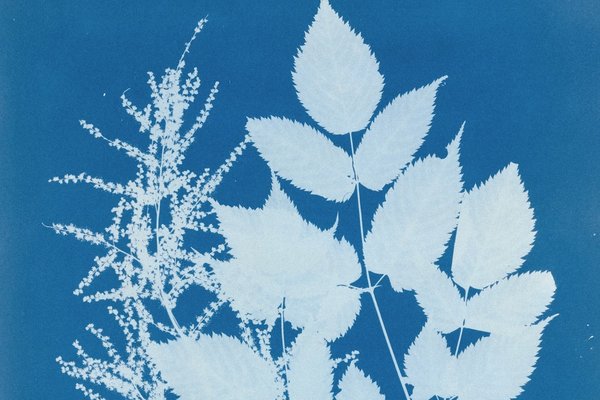
Talbot’s calotype introduced the first true photographic system allowing several copies from a single exposure, a major step beyond the direct, one‑of‑a‑kind images of the day. He immediately applied the process to plant specimens at his estate, Lacock Abbey, using it to record leaves, flowers, and botanical details with a level of precision and reproducibility that surpassed hand‑drawn illustrations.
These applications reveal calotype’s dual role: a scientific record of plant morphology and a quietly expressive, atmospheric rendering of form, where light and shadow articulate the structure of the specimen through soft, textured paper tones.
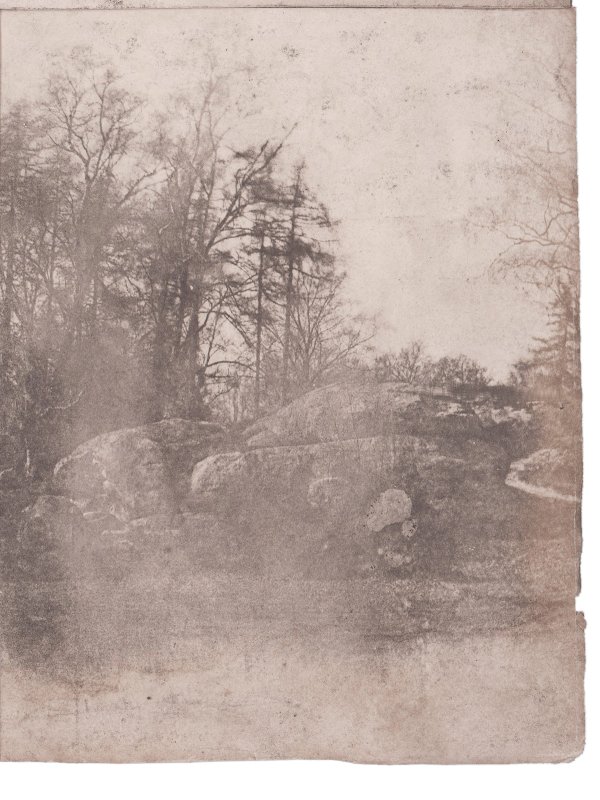
Collection of British Calotypes, William John Newton / Arthur James Melhuish, 1850s [3]↓
Sources
- [1] Calotype negative, William Henry Fox Talbot, 1840-1841 , Iris & B. Gerald Cantor Center for Visual Arts at Stanford University, via Wikimedia Commons[Link](accessed: 2026-03-21)↑
- [2] Veronica in Bloom, William Henry Fox Talbot, ca. 1840, Public Domain, Wikimedia Commons[Link](accessed: 2026-03-21)↑
- [3] Collection of British Calotypes, William John Newton / Arthur James Melhuish, 1850s, Metropolitan Museum of Art, via Wikimedia Commons[Link](accessed: 2026-03-21)↑