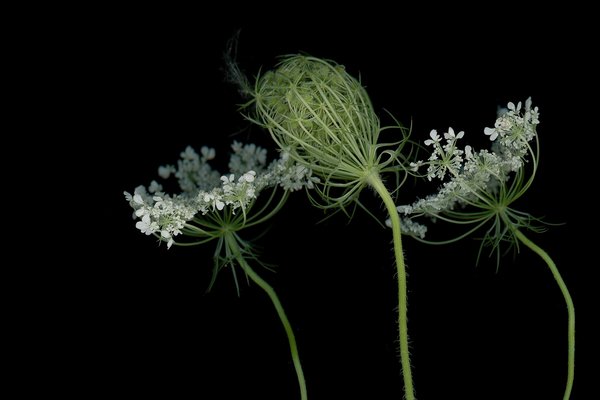
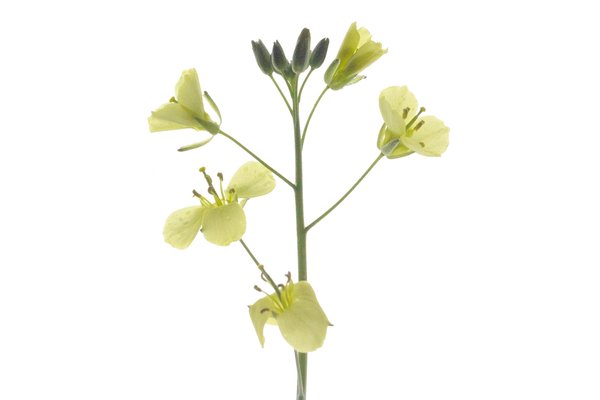
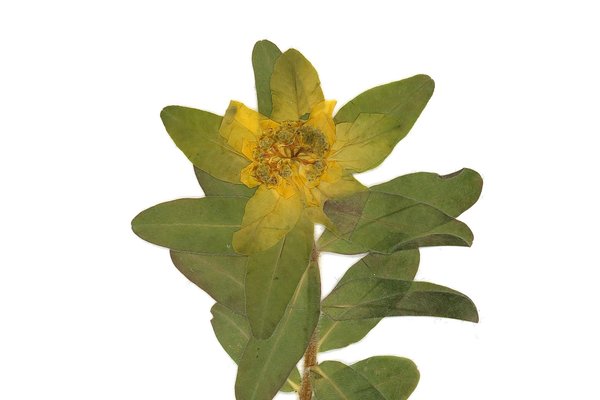
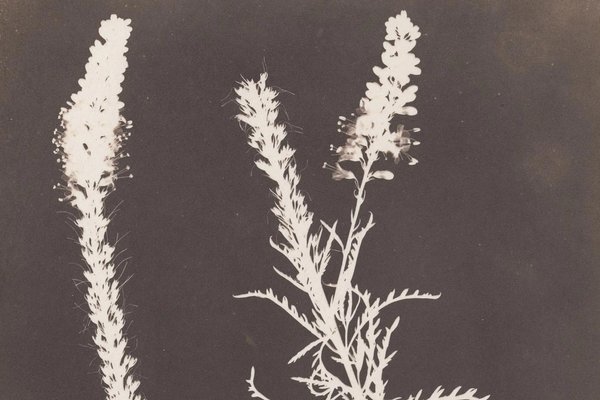
Isolated photographs are a botanical documentation method that can be applied both in the field and in the studio. In the habitat‑based variant, a plant is recorded in situ while still being visually separated from its surroundings. A contrasting color background is carried into the photo setting and positioned behind the plant, creating a clear edge between specimen and environment while keeping the organism in its natural context.
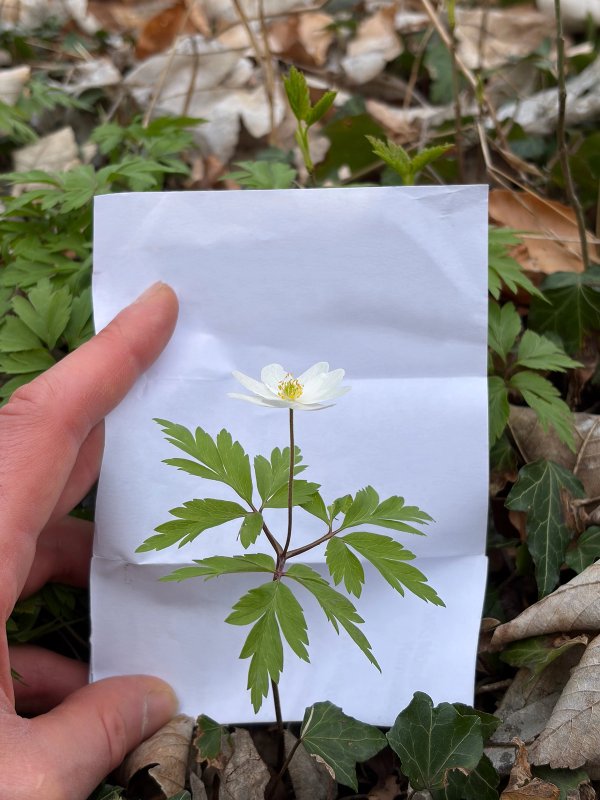
Anemone quinquefolia, Photograph in diffuse light
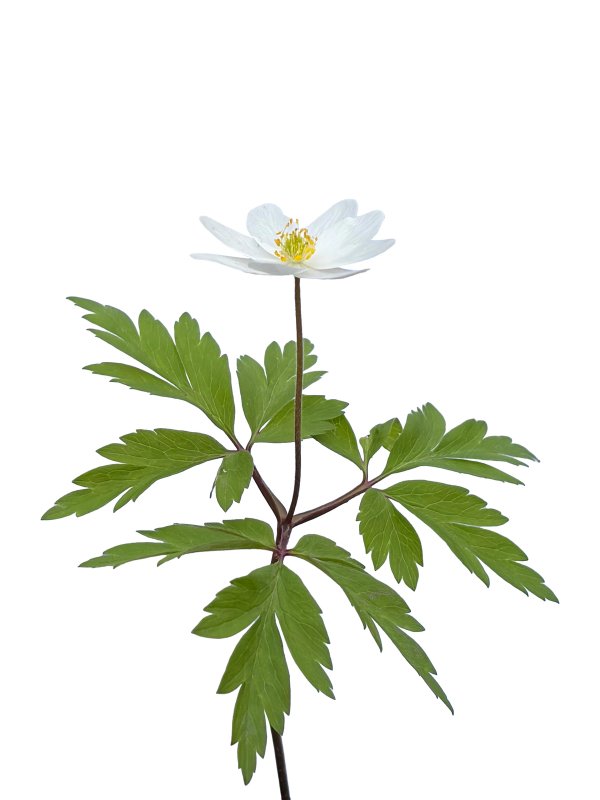
Anemone quinquefolia, Isolated Photograph
To achieve a consistent, information‑rich image, controlled lighting is important. Strong, even illumination supports the use of a small aperture and a high depth of field, so leaves, stems, and reproductive structures remain sharply described across the plant’s visible planes. The contrasting background also reduces visual noise from grasses, soil, and neighboring vegetation, which helps the plant’s morphology read more clearly.
After capture, the plant can be isolated cleanly in image‑editing software, producing a cut‑out that can be archived, compared, and placed into layouts without losing the botanical character of the original field observation. This is especially valuable for protected species and plants growing in nature reserves, where collecting and pressing material may be restricted or ethically undesirable. In these cases, isolated photographs provide a non‑destructive alternative that preserves both identification‑relevant detail and evidence of habitat, while minimizing disturbance to sensitive populations.
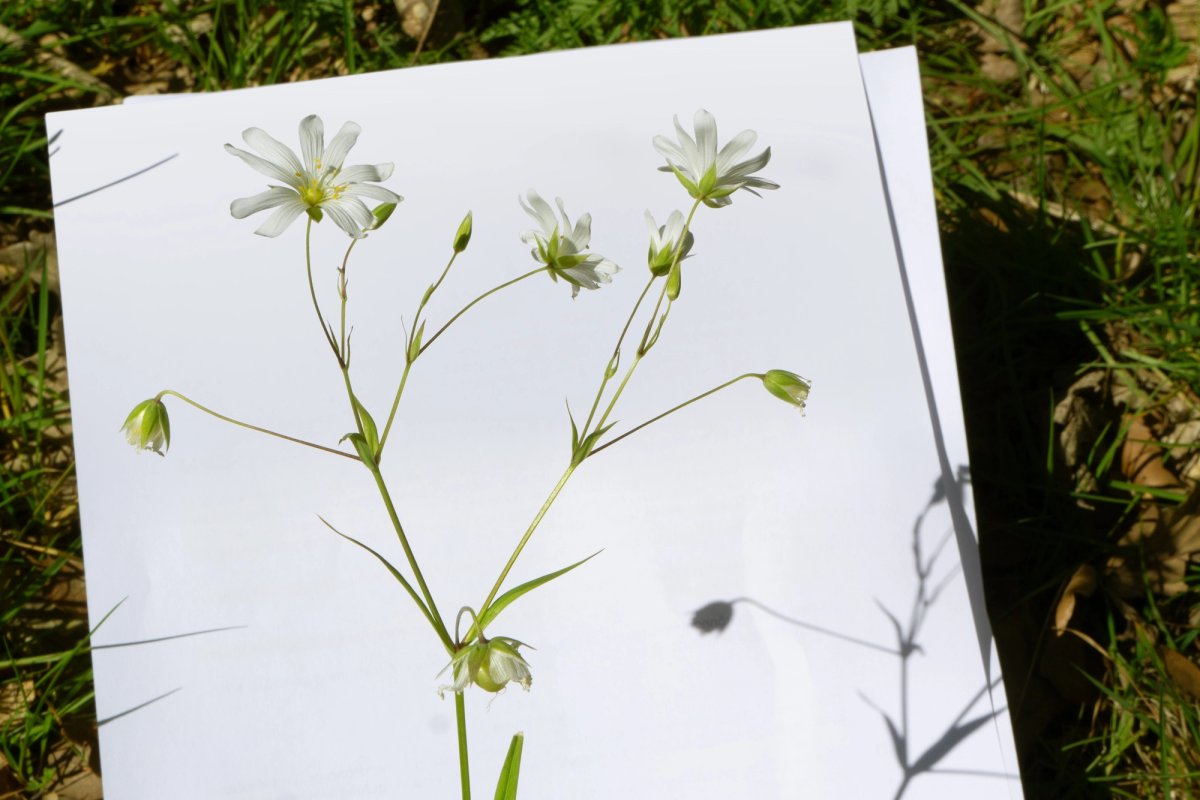
Stellaria holostea, Photograph in direct sunlight
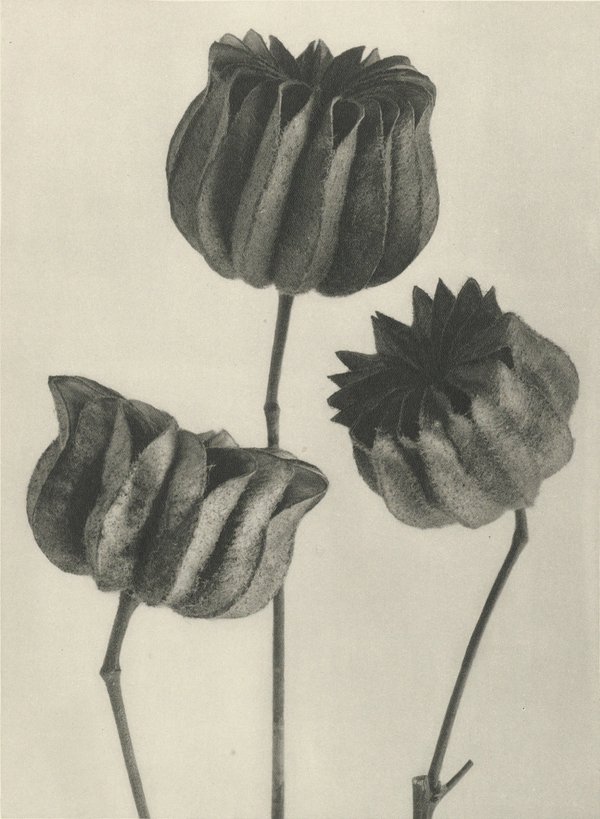
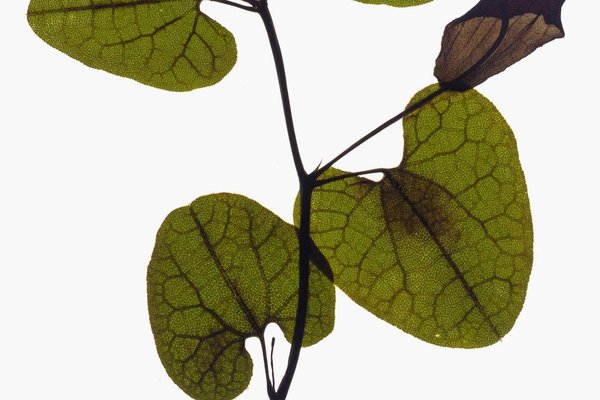
Another way to work with isolated photographs is to take the plant specimen into the studio. A plain, unicolor background is used here as well, but the studio setting allows for greater control over lighting, perspective, and scale. Karl Blossfeldt’s work is a prominent example of this variant: he brought plants into the studio, positioned them against simple backgrounds, and photographed them at high magnification, turning small plant parts into sharply defined, almost sculptural images that reveal textures, patterns, and growth forms normally invisible to the naked eye.