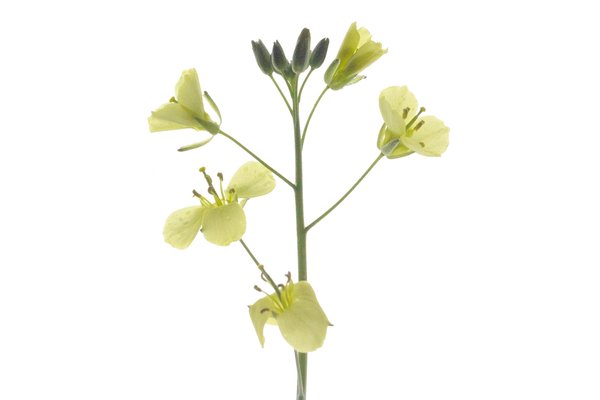
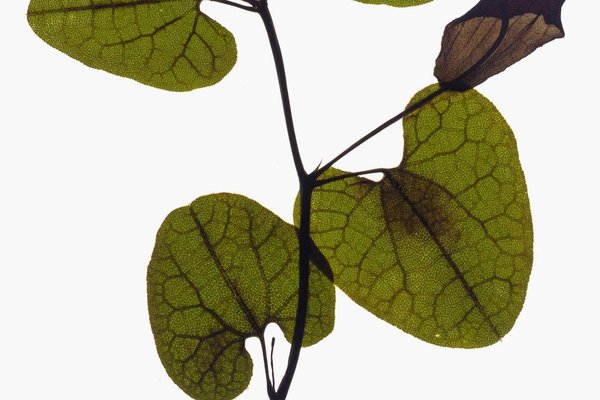
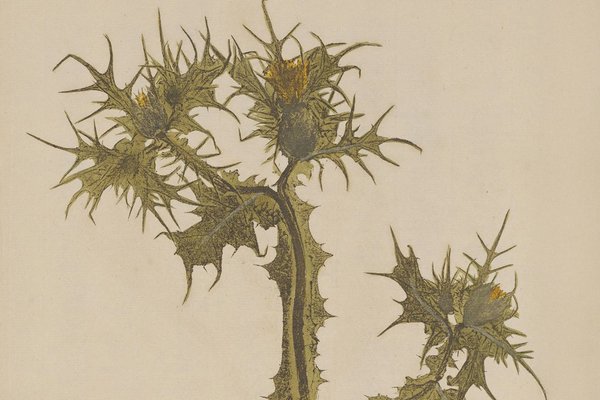
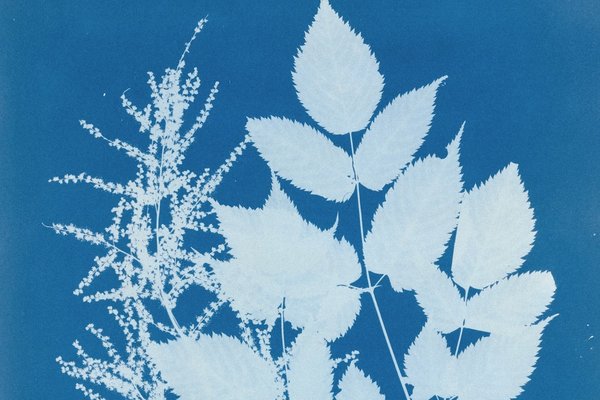
Plant illustration is a scientific documentation method that translates a living specimen into a controlled, legible image, emphasizing diagnostic structures while minimizing distraction. Scientific botanical illustration is designed to be accurate and informative, often prioritizing clear outline, proportion, and defining features over incidental effects of light or background.
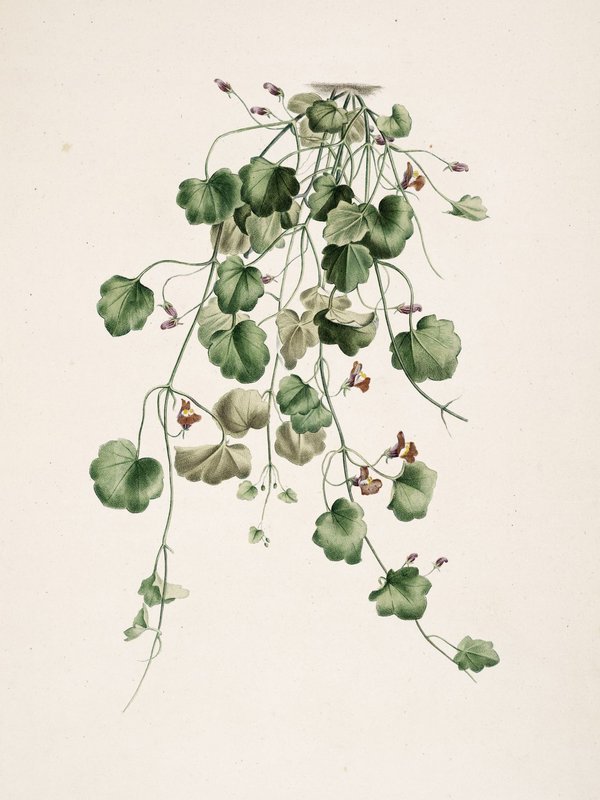
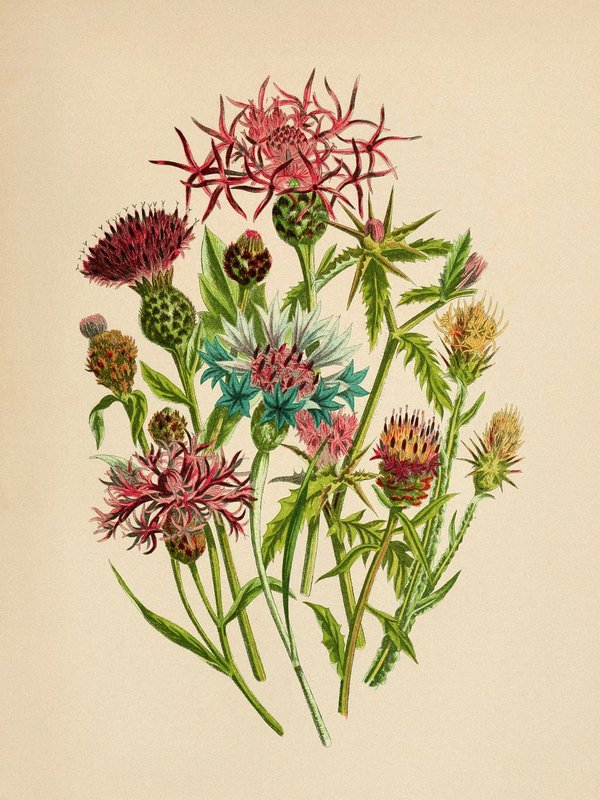
Different artists realize this method with different goals and visual strategies. Pierre-Joseph Redouté’s plates — such as those in La Botanique de J. J. Roussseau (1805) — are widely associated with detailed, naturalistic rendering based on close study of living plants and careful presentation of form and color. Anne Pratt’s illustrated floras, by contrast, were produced for a broad readership and presented a wide survey of British species across The Flowering Plants, Grasses, Sedges, and Ferns of Great Britain (1855–1873), using printed color plates to support popular botanical knowledge.
The Seikei Zusetsu (1793–1804), a Japanese agricultural encyclopedia with wood-carved plant illustrations, shows how carving and block-printing could reproduce precise botanical and cultivation details for widespread distribution.
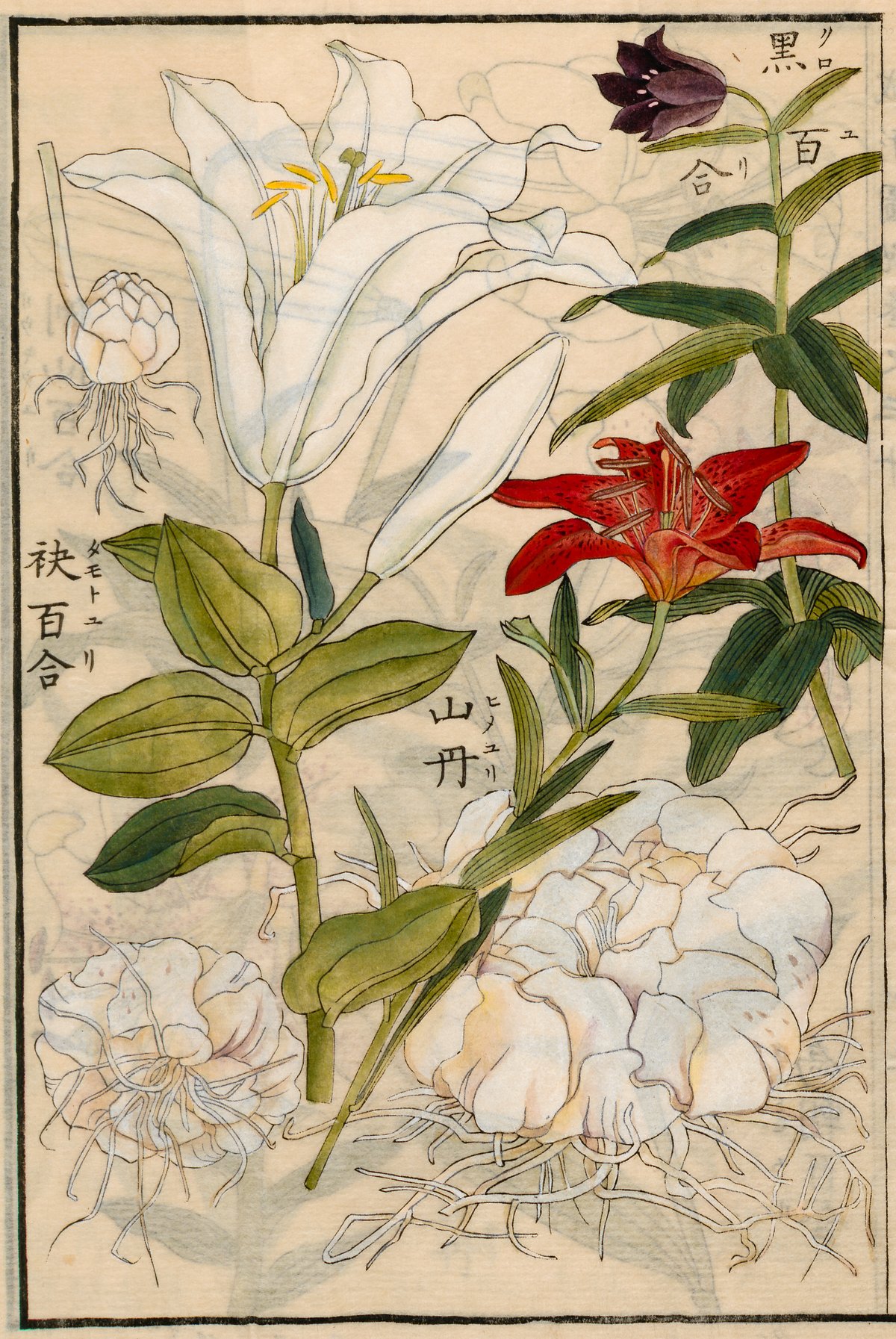
Lilium auratum var. platyphyllum Baker (Wood Carving), Doryu Yoshikiyo Taniyama, Seikei Zusetsu, 1804 [3]↓
As a documentation tool, illustration offers specific advantages: it can isolate the plant, adjust scale, and clarify structures that are important for identification, while keeping the image consistent across a series. This also introduces limitations that vary by artist and printing method—choices about emphasis, color handling, and composition can shape how the plant is read—so botanical illustration sits between observation and visual design, balancing fidelity with interpretive structure.
Sources
- [1] La botanique de J.J. Rousseau: ornée de soixante-cinq planches, imprimées en couleurs d’après les peintures de P.J. Redouté, 1805, Biodiversity Heritage Library[Link](accessed: 2026-03-08)↑
- [2] The flowering plants, grasses, sedges, & ferns of Great Britain and their allies, the club mosses, horsetails, etc, Anne Pratt, Edward Step, 1905, Biodiversity Heritage Library[Link](accessed: 2026-03-08)↑
- [3] Lilium auratum var. platyphyllum Baker, Doryu Yoshikiyo Taniyama, Seikei Zusetsu, 1804, Leiden University Library, via Wikimedia Commons[Link](accessed: 2026-03-08)↑